01CARE
Trauma-informed movement · Australia
Trauma-informed movementfor addiction recovery.
Helping people reconnect with their bodies through safe, achievable movement that supports nervous system regulation, wellbeing and long-term recovery.


Our philosophy
Recovery grows through moments of safety, connection and confidence. We believe recovery begins when people feel safe enough to reconnect with themselves. Every Recovery Movement session is intentionally designed to create the conditions that support healing through compassionate, evidence-informed movement and genuine human connection.
Read about Recovery MovementWhy Recovery Movement
Movement designed for recovery. Delivered with compassion and purpose.
02SCIENCE
Evidence-informed
03CONNECTION
Recovery Informed
Our programs
Movement that meets people where they are.
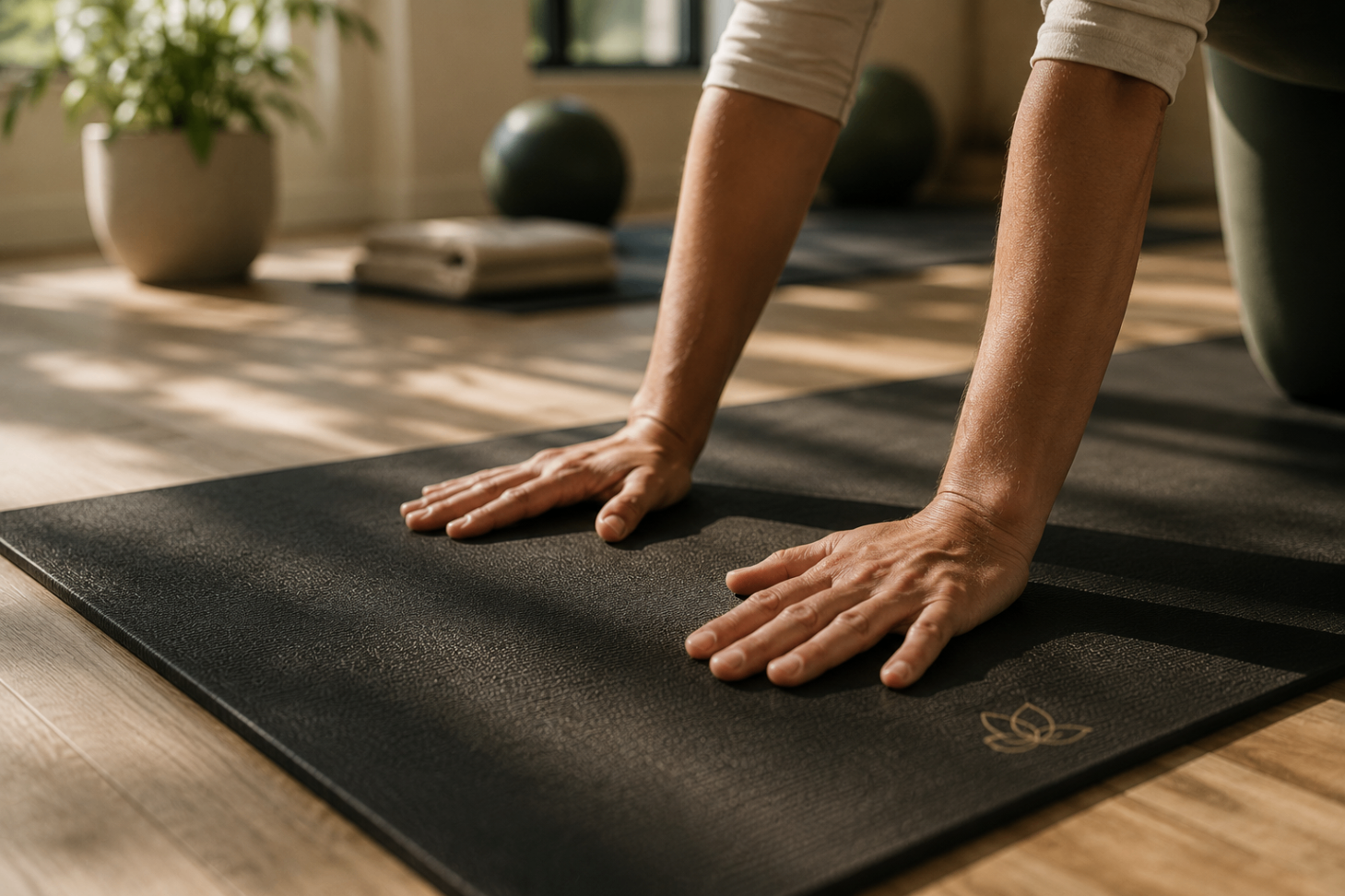
Every Recovery Movement session is grounded in the same philosophy: creating a safe, welcoming space where participants can reconnect with themselves through movement.
Every session is thoughtfully adapted to the people in the room—meeting them with curiosity, choice and compassion, exactly where they are that day.
See our programs- 01
Arrive
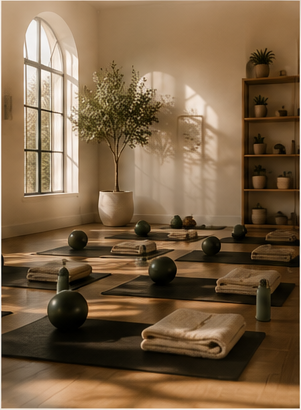
Participants are welcomed into a calm environment where they can slow down, arrive in their body and begin to feel safe. Sessions open with breath, grounding and gentle connection—there is no expectation to perform, only space to be.
- 02
Move
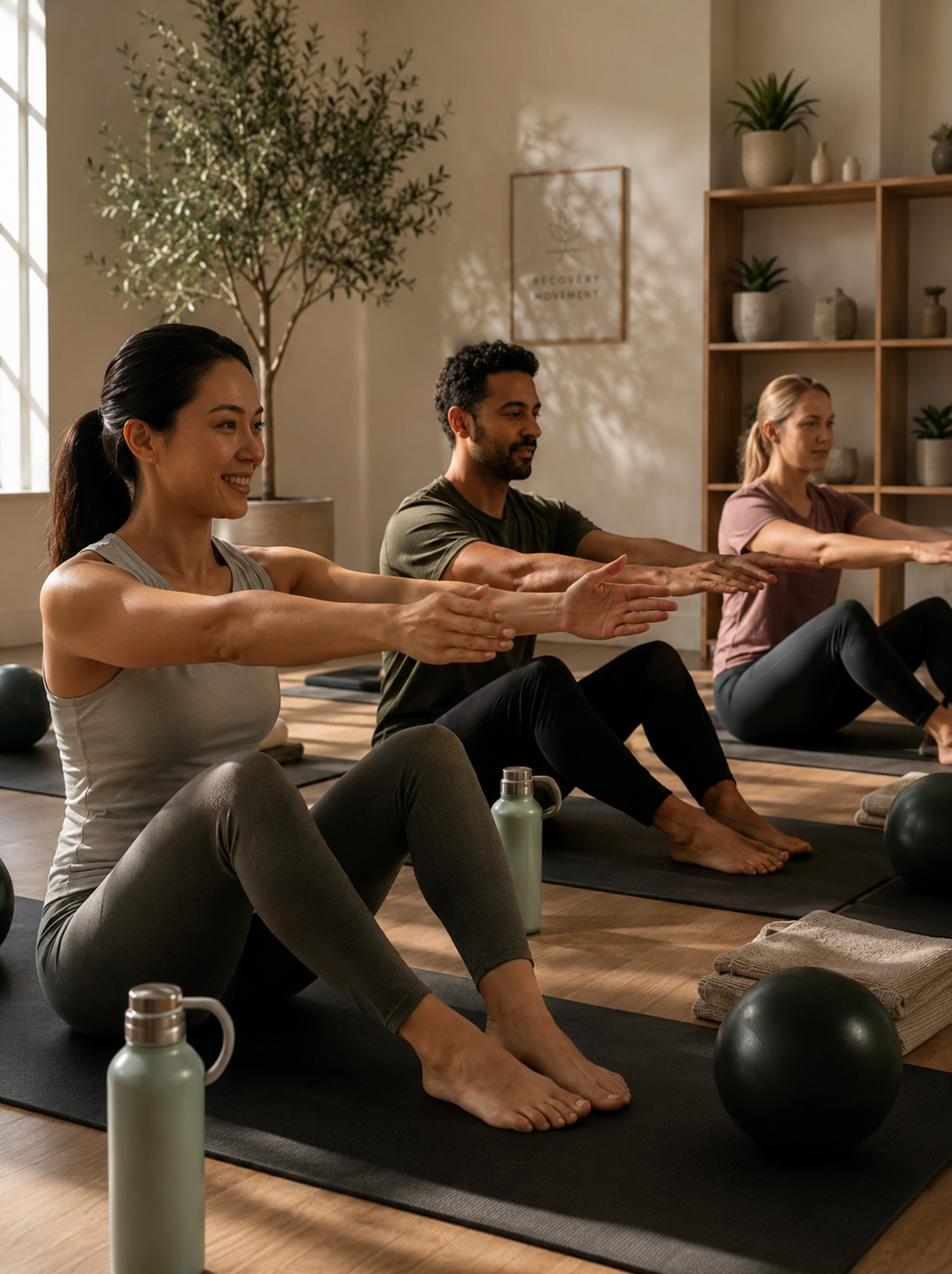
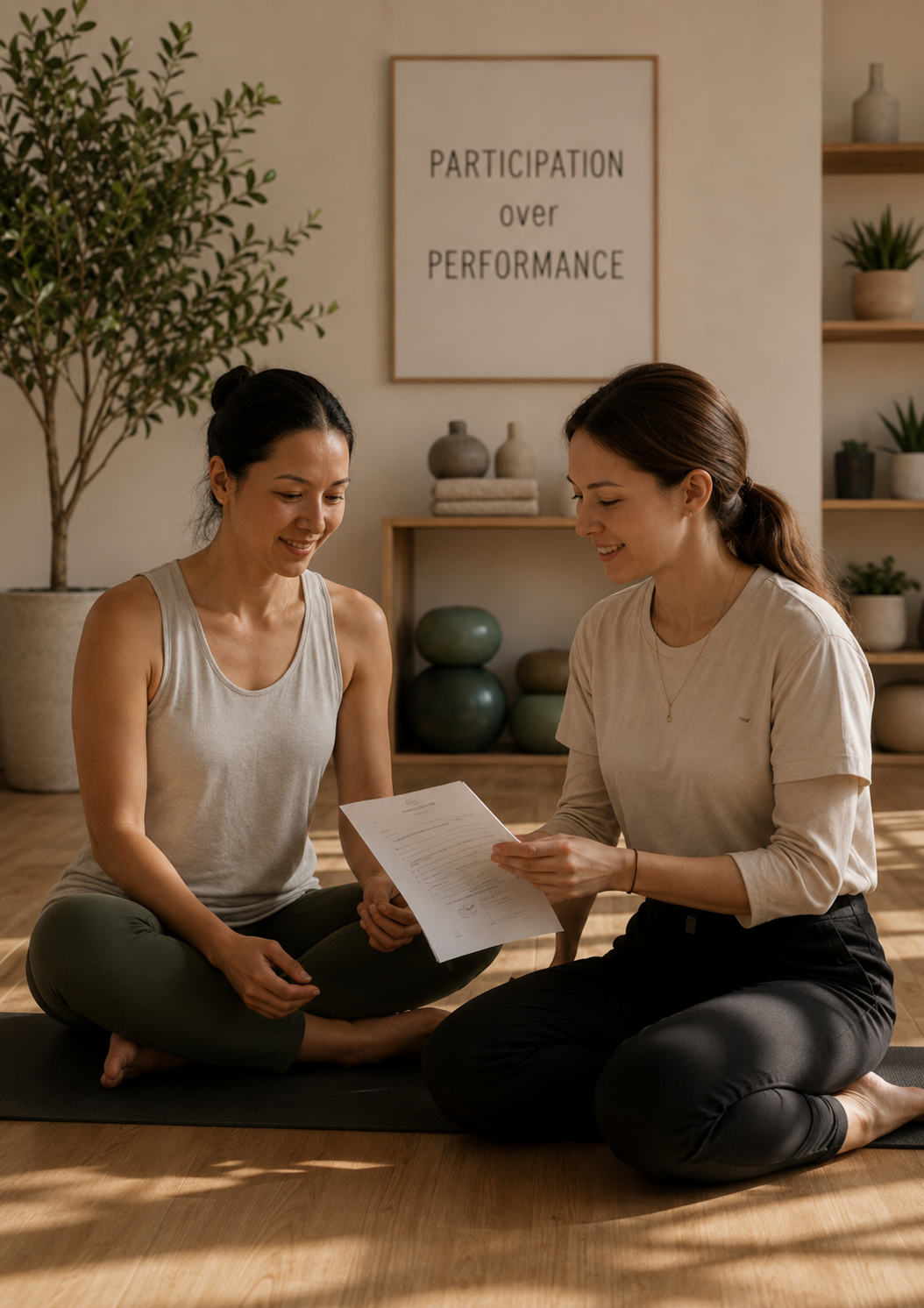
Sessions combine strength, mobility, balance and nervous system regulation through thoughtfully adapted movement. Every session is adaptable and inclusive, supporting body awareness, confidence and connection—participation over performance.
- 03
Carry forward
Participants often leave feeling calmer, more connected and more confident than when they arrived. Movement becomes something they can continue to explore beyond the session, supporting their wider recovery journey.
- 01
Safety
- 02
Regulation
- 03
Awareness
- 04
Confidence
- 05
Connection
Why movement matters
Where evidence becomes experience. Recovery is a whole-person process. Movement creates another pathway to support engagement, confidence and lasting change.
Participants feel safer.
Participants stay engaged.
Recovery can be practised through movement as well as conversation.
Voices of Recovery
Every Recovery Movement session is experienced differently. Yet people often describe remarkably similar feelings when they leave.
“I felt connected to my body.”
“It has been an invaluable addition to our therapeutic care.”
Let's start with a conversation
Every recovery service is different.So is every Recovery Movement partnership.
Every meaningful partnership begins with understanding.
An introductory meeting gives us the opportunity to learn about your participants, your therapeutic approach and the goals of your service. Together, we'll explore how Recovery Movement could complement the important work you're already doing and create a program that feels right for your organisation.
We'd love the opportunity to meet you and hear your story.